FOOD ORIGINS
A comprehensive timeline of humankind's culinary history.
2.5 million B.C.
Lower Palaeolitic humans used stone tools to butcher meat for consumption.
400,000 B.C.
Early humans used fire for cooking.
162,000 B.C.
Crucial to their survival, early humans on the southern coast of South Africa feasted on a shellfish diet of brown mussels, giant periwinkles and whelks.
108,000 B.C.
Neanderthals on the Italian peninsula cook shellfish.
100,000 B.C.
In Cueva de Figueira Brava (Portugal), half of the Neanderthals' diet consisted of marine life, including fish, clams, mussels, brown crabs, spider crabs, eels, waterfowl, sea birds, seals, shark and dolphins. Neanderthals also ate land animals such as horses, deer, ibex, porcupine and tortoise.
38,000 B.C.
First evidence found of crudely fashioned fish hooks.
30,000 B.C.
Palaeolithic Europeans in parts of Italy, Russia and the Czech Republic dined on an early form of flatbread made from ground down tubers to make flour, then whisked into dough, and cooked on a hot stone.
20,000 B.C.
Modern humans in Sicily consumed a protein diet mostly of meat from medium to large terrestrial herbivores, no fish.
12,400 B.C.
Flatbread containing wild wheat, barley and plant roots, is baked on hot stones in Jordan’s Black Desert.
9500 B.C.
Paleo-Indians in Central Alaska consumed salmon, marking the beginning of salmon exploitation – the earliest in North America. Ground squirrels and hares were also consumed during this period.
9400 B.C.
Figs from cultivated trees near Jericho, Israel, is the first evidence of domesticated food production.
8000 B.C.
Farro (einkorn) is domesticated in the Fertile Crescent, later found in Egyptian tombs, and eventually sustained the Roman legions.
7500 B.C.
Chili peppers are being consumed in Central America and northern South America.
7000 B.C.
Earliest records of cultivated rice in the Yangzi River Valley, China.
A beverage made from fermented rice, honey and hawthorn fruit is processed in Jiahu, a Neolithic village in Henan Province, near the Yellow River, China.
Neolithic humans in Northern Europe process cheese using specialized unglazed clay pottery as cheese-strainers.
Prehistoric Europeans use beeswax to seal water for storage in clay bottles, and cook meat in clay pots.
6500 B.C.
The typical household of Neolithic hunter-gatherers in Çatalhöyük, Turkey, grow their own food and feast on a meat diet of sheep, goats and cattle.
6000 B.C.
Stone Age people at Gadachrili Gora (modern day Tbilisi, Georgia) were the world’s earliest winemakers – pressing grapes, fermenting it, and then pouring it into smaller pottery jugs for transport to the villages.
5200 B.C.
Stored in pottery jugs, wine is produced in the Zagros Mountains of western Iran.
Earliest known farming settlement with plant and animal domestication in the Faiyum desert region of Egypt.
4500 B.C.
The oldest known winemaking facility is located in a multi-chambered cave in Armenia near Iran. The Copper Age operation employed workers to stomp on grapes with their feet to produce red wine.
4200 B.C.
Early samples of wine making in a prehistoric settlement of Dikili Tash, located southeast of Drama in East Macedonia, Greece.
3400 B.C.
Potatoes are cultivated in Southern Peru.
3300 B.C.
At Hierakonpolis in Egypt, one of the earliest breweries produces more than 1000 litres of beer per day.
3200 B.C.
Hieroglyphics first appear in Egypt with a symbol for a wine-press. A sophisticated labeling system of hieroglyphs indicated the place of wine production, vintage stating year of the specific pharaoh’s reign, and producer or winery name. Wines are aged as old as 30 years and placed in the Pharaoh’s tomb so that he could drink them into eternity.
3000 B.C.
Overgrazing and over-farming in North Africa exhausts the soil, once green with crops and trees, marking the beginning of the Sahara Desert.
In Abydos, about 500 kilometers south of Cairo, a beer factory produces about 22,400 liters of beer at a time to supply the royal rituals for the funerals of the kings of Egypt during the reign of King Narmer, the first ruler during the First Dynasty in Egypt.
2750 B.C.
Maize cobs (modern corn) are cultivated in Southern Mexico.
2600 B.C.
Sumerians grow barley, bake bread, and make beer.
Metal coins begin to replace barley as legal tender.
Tandoors are used to bake flatbread in Rajasthan, India.
2500 B.C.
Use of olive oil is popular in Crete.
2350 B.C.
First domesticated chickens evident in Babylon.
2030 B.C.
Brought to the Tigris Valley from their native India, cucumbers are preserved and eaten as pickles.
2000 B.C.
Salt is produced in the Sichuan Basin of central China, during the dynastic period.
High priests are the guardians of the secret of cheese making in Egypt.
Men and women hunted for vicuña and deer that made up a significant portion of their tribe's diet in the Andes highlands of Peru.
1500 B.C.
All major food plants that are currently being used in the 21st century, with the exception of sugar beets, are being cultivated somewhere in the world.
1100 B.C.
During the Shang Dynasty, the Chinese consume a scented beverage made from rice and millet wines flavored with herbs, flowers and tree resins.
Cacao is used in Mexico and Central America. Rulers, priests, heroic soldiers, and successful businessmen were the only members of Aztec society allowed to drink a chocolate beverage made from cacao, consumed cold.
776 B.C.
The first Olympians in Greece celebrate victory by wearing wreaths made of olive branches and leaves formed into a circle.
700 B.C.
Wheaten bread is a luxury in Athens, affordable only by the wealthy.
590 B.C.
Olive trees are brought to Italy by Greek settlers.
500 B.C.
Wine-making spreads to France, begining in the Marseilles region followed by Languedoc.
400 B.C.
Wet rice farming was introduced to Japan from China and Korea at the beginning of the Yoyoi Period.
250 B.C.
The indigenous Taino people of the Caribbean intensively farmed crops like maize and sweet potatoes at the beginning of the Ceramic Age.
217 B.C.
Hannibal is served raw, cured ham in Parma on his way to fight the Romans.
206 B.C.
The method of stir-frying first appears in China during the Han Dynasty.
79 B.C.
Lucullus imports the first cherry trees from Asia Minor to Rome.
10 A.D.
Wild turkeys are domesticated in southern Mexico, and also a different variety in the American Southwest.
14 A.D.
Marcus Gavius Apicius, the Roman gastronome and nobleman, writes the first known book of recipes, Of Culinary Matters.
62 A.D.
Roman Emperor Nero Claudius Caesar sends slaves to the mountains of the Apennines, to retrieve snow and ice for freezing a combination of honey and nectar.
79 A.D.
Roquefort first referenced when Pliny the Elder praised the cheese for its rich aroma.
200 A.D.
Beekeeping is an important industry in Britain, since honey was the main source of sweetening, a preservative for meat and fruit, and a common ingredient in many dishes and sauces.
407 A.D.
The Romans introduce oyster cultivation to Britain.
500 A.D.
Tamo, the founder of Zen Buddhism and the Shoalin school of kung fu, brings tea from India to China.
600 A.D.
Sushi is introduced in Japan.
700 A.D.
Arab and Persian mariners visit the Spice Islands, and, for the first time introduce Oriental spices, rice and sugar to the Mediterranean markets.
710 A.D.
Sugar is planted in Egypt.
800 A.D.
Alsace wine region is founded in France.
996 A.D.
Cane sugar arrives in Venice from Alexandria.
1000 A.D.
Potatoes and corn are being planted in Peru.
Arab traders bring coffee back to their homeland from Ethiopia and cultivate the plant on plantations for the first time, boiling the beans to create a beverage called "qahwa".
1040 A.D.
Munich opens its first brewery.
1070 A.D.
Roquefort cheese is discovered in France.
1158 A.D.
Munich becomes the center of salt trade.
1191 A.D.
Tea arrives in Japan from China.
1200 A.D.
As cheap grains from the Baltic Sea region make it less profitable to grow wheat, rye, barley and oats-- viniculture increases in parts of France.
1300 A.D.
Metal cauldron boiling and spit roasting are common methods for cooking foods in Medieval Europe.
1350 A.D.
The Shogun of Japan prohibits the drinking of tea.
1400 A.D.
Italian businesses produce pasta for commerce. Men tread barefoot on the pasta dough all day to make it soft, and the valuable product is guarded by night-watchmen.
1450 A.D.
Southwestern Arabia becomes the main port for coffee export. Coffee is already popular in the Middle East for the past century, having been introduced to Constantinople by the Ottoman Turks. Many Muslims avoid the beverage observing that Mohammed did not drink it.
1475 A.D.
In Venice, the first ever printing of a cookbook.
Kiva Han, the world's first coffee shop opens in Turkey.
1498 A.D.
Vasco de Gama, the Portuguese explorer, discovers an all-water route to India and the Spice Islands; freeing Europe from dependence on Venetian middlemen, bringing down the high price of spices.
1519 A.D.
Tomatoes from South America are brought to Europe, and are grown in England and Holland for decorations. Acceptance as a food came many years later, primarily in Spain and Italy.
1525 A.D.
Hops are introduced to England from Artois.
1528 A.D.
Cacao reaches the Old World when Cortés presents the beans from Mexico to King Charles V of Spain, but it's kept a secret from the public for nearly 100 years.
1533 A.D.
Catherine de Medici marries the future King Henri II in France, bringing teams of expert cooks with her from Florence, and introducing food as an art form.
1536 A.D.
The potato is discovered in Peru by Spanish explorer Gonzalo Jiminez de Quesada.
1551 A.D.
The first licensing of alehouses and taverns in England and Wales.
1559 A.D.
Forks are used for the first time at the French court.
1570 A.D.
The potato is brought to Elizabethan England from Spanish America by Sir Walter Raleigh.
1608 A.D.
Englishman Thomas Coryate brings the first forks to England after seeing them in Italy during his travels. Forks are ridiculed as being effeminate and unnecessary. By the mid 1600s, they are considered fashionable luxuries among wealthy British nobles.
1610 A.D.
A monk in Northern Italy shapes a strip of left-over dough into the shape of a child's arms folded in prayer, and bakes it. He calls it "pretiola", meaning "reward" in Latin, and gives them to children who correctly learn their prayers.
1621 A.D.
Popcorn is introduced to the English colonists by Quadequina, brother of Chief Massasoit from the Wampanoag tribe, as his contribution to their first Thanksgiving dinner at Plymouth, Massachusetts.
1634 A.D.
The first tavern in America opens in Boston by Samuel Cole.
1650 A.D.
Cabernet franc is crossed with sauvignon blanc to create cabernet sauvignon in Bordeaux, France.
1651 A.D.
The Dutch control the clove, nutmeg and cinnamon trade, and forbid uncontrolled planting, punishable by death.
1666 A.D.
A fruit and vegetable market is established in Covent Garden, London, (where it remained until 1974).
1698 A.D.
Benedictine monk Dom (Pierre) Pérignon, after thirty years as cellar master, perfects the process of making sparkling wine from a blend of Champagne Valley grapes.
1724 A.D.
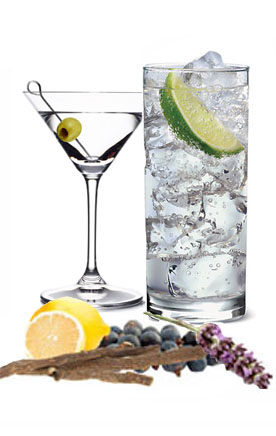
Gin drinking becomes popular in Great Britain after juniper berries are brought over from Belgium.
1735 A.D.
Extravagant Czarina Anna Ivanova lines the dining room of her Russian winter palace in St. Petersburg with blooming orange trees.
1750 A.D.
Sugar surpassed grain as the most valuable commodity in European trade, making up a fifth of all European imports. Europeans bought their sugar in brown loafs that had to be hacked into smaller pieces.
1762 A.D.
Englishman John Montagu, the 4th Earl of Sandwich, is presented with sliced meat between two pieces of toast, so as not to interfere with his game during a gambling streak.
1766 A.D.
The first separate-table restaurant with menu fare opens in Paris, France by Mathurin Roze de Chanoiseau.
1769 A.D.
The first vineyard and winery in California was established by the Franciscan missionary Junípero Serra near San Diego, producing wines from Mission grapes.
1773 A.D.
"Boston Tea Party" - Colonists protest against a tea duty, imposed by the British.
1787 A.D.
Thomas Jefferson brings back a pasta-making machine from his travels to Italy. His daughter Mary Randolph invents macaroni and cheese, using Parmesan. Later, the Parmesan was replaced with cheddar cheese.
1789 A.D.
Elijah Craig distills the first bourbon whiskey from corn, rye and barley malt in Bourbon County, Kentucky.
France's National Assembly makes it legal to sell coffee and spirits in the same place.
1805 A.D.
Johann George Lehner creates the frankfurter in Vienna.
1806 A.D.
The cock tail is first described in a New York newspaper as
"... a stimulating liquor, composed of spirits of any kind, sugar, water and bitters ...".
1810 A.D.
The sugar embargo in Europe makes it necessary to find alternative forms of food preserving, and with the armies and navies on both sides in the Napoleonic wars requiring durable foodstuffs to mount successful campaigns, came the development of preserving food in tin cans.
1825 A.D.
The first metal cans are patented by Englishman Thomas Kensett.
1835 A.D.
Texan settlers develop chili powder as a simpler way to make Mexican dishes.
1843 A.D.
Krystof Rad invents the first specialized press to produce sugar cubes perfectly sized for one cup of tea.
1846 A.D.
Famine in Ireland caused by the failure of potato crops.
1853 A.D.
Created by American Indian George Crum, the potato chip becomes all the rage at fancy dinner parties.
1860 A.D.
M.L. Byrn patented the modern corkscrew.
1862 A.D.
The first pasteurization, a heat treatment that destroys harmful bacteria in beverages and some food products, was achieved by Louis Pasteur.
1863 A.D.
Abraham Lincoln declares that Thanksgiving Day would be an annual event celebrated with a festive meal on the last Thursday in November.
1869 A.D.
The first American to achieve commercial success with food, Henry John Heinz, opens a factory at Sharpsburg, PA, to produce grated and prepared horseradish.
Dr. Thomas Welch invents a method of pasteurizing grape juice so that fermentation was stopped, producing a non-alcoholic beverage for sacramental use.
Beer was first sold in bottles by English brewer Francis Manning-Needham.
1870 A.D.
Phylloxera destroys 75% of the vineyards in France.
1876 A.D.
The first and world's oldest trademark is the Red Triangle registered for Bass Pale Ale.
1878 A.D.
The Japanese create the first disposable wooden chopsticks (called wari-bashi).
1879 A.D.
Saccharin, an artificial sweetener, is discovered by Fahlberg and Remser.
1880 A.D.
An unknown St. Louis physician ground peanuts in a hand-cranked meat grinder to make peanut butter, as a nutritious substitute for his patients who couldn't chew meat.
Canned fruits and meats first appear in stores.
1885 A.D.
The first self-service restaurant in the U.S., the "Exchange Buffet", opens opposite the New York Stock Exchange.
1889 A.D.
The first modern pizza is created by S.G. Raffaele Esposito, of the pizzeria "Pietro e Basta Così", for Her Majesty the Queen Margherita of Savoy. It is fashioned after the colors of the Italian flag-- with pomodoro, mozzarella and basil, baked on traditional flatbread.
1892 A.D.
William Painter of Baltimore invents the crown bottle cap.
1895 A.D.
There are 50,000 to 60,000 soda fountains in the U.S., operating in drug stores, restaurants, confectionaries and roadside push carts.
Madame de Maintenon, mistress of Louis XIV, establishes Le Cordon Bleu as a cooking school in Paris, France.
1900 A.D.
Chiclets gum, cotton candy and the Hershey's chocolate bar are introduced. Coca Cola is introduced to Europe (in Britain).
The Michelin Tire Company publishes a 20-page Guide Michelin in France, to identify gas stations, hotels and repair shops along the road.
1901 A.D.
Just-add-water "Instant" coffee was invented in Chicago by the Japanese-American chemist Satori Kato.
1902 A.D.
The Automat Restaurant, with an automatic arrangement for vending food, opens in Philadelphia by the Horn & Hardart Baking Company. The mechanism is imported from Germany.
Animal Crackers were introduced during Christmastime with a carrying string on the box so it could be hung on a Christmas Tree.
1904 A.D.
The kiwifruit is first brought to New Zealand from China. It is not until the 1980's that the fruit becomes popular in the U.S.
1905 A.D.
After nine years on the market, Tootsie Roll introduces the first penny candy that is individually wrapped.
1906 A.D.
U.S. introduces the Pure Foods and Drugs Act, "For preventing the manufacture, sale, or transportation of adulterated or misbranded or poisonous or deleterious foods, drugs, medicines, and liquors."
1907 A.D.
The delimitation of the Champagne vineyard (setting out the geographic area) becomes official.
1914 A.D.
Britain is the world's largest consumer of tinned goods – mainly meats (corned beef and roast beef) imported from Australia, the United States, New Zealand, Uruguay and Argentina.
1919 A.D.
Prohibition amendment to the U.S. Constitution is ratified, making it illegal to sell or consume alcoholic beverages. By 1925 there were over 30,000 speakeasies in New York City alone. The 18th amendment was repealed in 1933.
1922 A.D.
The American cocktail becomes popular in Europe.
1923 A.D.
Clarence Birdseye of Brooklyn, New York, invents and perfects a system of packing fresh food into waxed cardboard boxes and flash-freezing under high-pressure.
1924 A.D.
Restaurateur Caesar Cardini invents the Caesar Salad, when he ran low on food during a busy Fourth of July weekend in Tijuana, Mexico. The original recipe included romaine lettuce, coddled eggs, garlic, parmesan cheese, croutons, lime juice, olive oil, Worchester Sauce, salt & black pepper.
1931 A.D.
The Joy of Cooking by Irma S. Rombauer is published, and goes on to become one of the most popular cookbooks of all time.
1934 A.D.
A refrigeration process for meat is devised.
1942 A.D.
During World War II, the U.S. begins rationing sugar and coffee. Meat, cheese, fats, bubble-gum and canned foods are rationed the next year (1943). 20 million Americans grow their own food.
1945 A.D.
Recorded by the Andrews Sisters, "Rum and Coca-Cola" is a #1 hit on the popular music charts in the U.S.
1954 A.D.
Swanson TV Dinner, a frozen prepared meal neatly divided in a metal tray, is invented. 10 million are sold during the first year of distribution.
1962 A.D.
Diet-Rite Cola is the first diet drink sold nationwide. The following year, Coca-Cola introduces Tab, with Diet Pepsi entering the marketplace two years later.
1966 A.D.
Ingredients are required to be listed on food packaging in the U.S.
1967 A.D.
12 billion cans of beer and 5.3 billion cans of soft drinks are consumed during the year in the U.S.
1976 A.D.
Red Dye No. 2, a popular food coloring, is banned in the U.S. by the FDA because studies showed it might cause cancer.
1980 A.D.
Due to the high cost of sugar, high fructose corn syrup is used as a sweetener substitute in many soft drinks.
1985 A.D.
The first microwaveable popcorn is introduced.
1988 A.D.
The bottled iced tea craze begins when Snapple introduces a lemon-flavored iced tea made with a new process, followed five years later by Arizona iced tea.
1993 A.D.
The Food Network, a channel dedicated exclusively to food, premieres on cable TV.
1994 A.D.
The first commericially grown genetically modified whole food crop, tomatoes, were produced to ripen without softening.
2006 A.D.
In an effort to help prevent heart attacks and stroke, New York City's Board of Health bans the use of trans fats in restaurants. Four years later in 2010, NYC health officials push for a nationwide plan to reduce the amount of salt in packaged and restaurant foods by 25%.
2008 A.D.
The average American eats approximately 200 pounds of meat, poultry and fish every year.
3.2 billion gallons of bottled water was consumed in the U.S., a 1053 percent increase from 20 years prior.
7 billion hot dogs are eaten between Memorial Day and Labor Day in the U.S.
2012 A.D.
During Super Bowl Sunday more than 100 million pounds of chicken wings were consumed in the U.S., along with 71.4 million avocados for guacamole, and over 46 million pounds of potato chips.
2014 A.D.
For the first time in a century, Americans gobbled up more chicken than beef.
Beyond Meat develops a simulated beef product made from plants. Vegetable protein-based burger patties are released a year later.
Copyright ©2001-21, The Fifty Best, Inc.